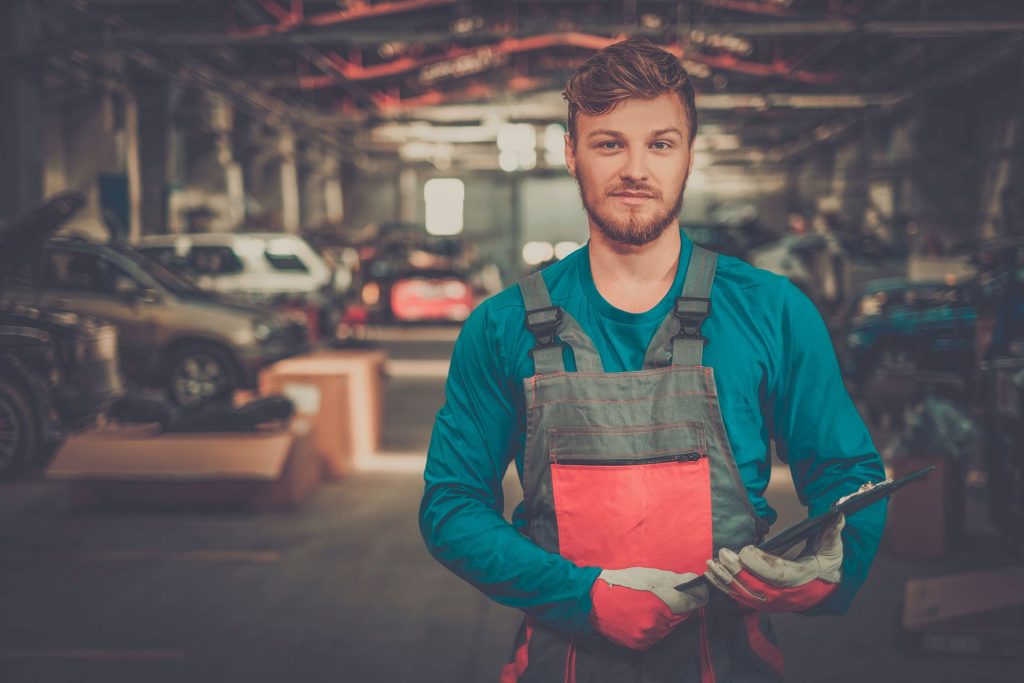
Automotive technicians depend on their tools, training, and experience to complete repairs efficiently. However, the clothing they wear throughout the day also plays an important role in how comfortably they can perform their responsibilities. A typical shift might involve inspecting an engine, kneeling beside a vehicle, reaching into confined spaces, and moving between workstations. Clothing that isn't suited to these activities can become uncomfortable, wear out quickly, or interfere with everyday tasks.
Creating a practical work wardrobe requires more than choosing clothing that looks professional. Mechanics need garments that support movement, tolerate demanding conditions, and fit the requirements of their particular workplace. By considering daily responsibilities, seasonal conditions, maintenance needs, and long-term value, technicians and shop owners can make better decisions about the clothing used on the job.
Understanding the Demands of Automotive Work
Automotive repair environments create clothing challenges that aren't always present in other professions. Technicians regularly encounter grease, oil, dust, metal surfaces, tools, and equipment that can place considerable stress on everyday garments.
Different mechanical specialties also involve different activities. A technician performing routine maintenance may spend considerable time standing, bending, and moving between service bays. Someone specializing in suspension or brake repairs may kneel or crouch more frequently. Heavy equipment mechanics may work outdoors or around larger machinery.
These differences should influence clothing decisions. A garment suitable for a climate-controlled service center might not be the best option for someone regularly working outside in changing weather.
Understanding how employees spend their time is the first step toward building a wardrobe that supports their actual responsibilities.
Choosing Clothing Based on Daily Responsibilities
Not every automotive technician needs identical clothing. Job duties, working conditions, and individual preferences can influence what makes a garment practical.
When evaluating mechanic work pants, technicians should consider how often they bend, kneel, reach, climb, and move around equipment during a normal shift. The ideal choice should accommodate those activities without requiring constant adjustments.
Fit is especially important. Excessively tight pants can restrict movement, while overly loose garments may create problems around certain machinery or work areas.
Waistband construction, leg shape, and overall flexibility can affect comfort throughout the day. Technicians may benefit from trying different styles while performing basic movements rather than judging fit only while standing.
The goal is to find clothing that feels natural during the work itself, not simply when it is first put on.
Understanding Fabric Options for Workwear
Fabric selection can influence durability, comfort, maintenance, and how clothing performs in different conditions.
Cotton is commonly used in work clothing because it can provide comfort and breathability. However, fabric weight, weave, and construction affect how well a particular garment tolerates repeated use.
Polyester blends may offer characteristics such as wrinkle resistance and dimensional stability, depending on the fabric. Some workwear also incorporates stretch fibers to improve flexibility.
There are tradeoffs to consider.
A lightweight fabric may feel comfortable in warm conditions but might not withstand abrasion as well as a heavier alternative. A thicker fabric may offer greater resistance to everyday wear while becoming uncomfortable during physically demanding work in high temperatures.
No single material is appropriate for every task or hazard. Clothing used around heat, flame, electrical hazards, or other specialized exposures may need to meet specific protective requirements.
Mechanics should distinguish ordinary workwear from garments designed and rated for particular hazards.
Creating a Consistent Professional Appearance
Automotive repair shops often want employees to look organized and recognizable. Customers may feel more comfortable approaching someone who is clearly identified as a technician or member of the service team.
A coordinated work wardrobe can support that objective.
Businesses might establish guidelines for clothing colors, branded shirts, acceptable styles, and overall appearance. These standards can help create consistency without requiring every employee to wear the same cut or fit.
Practicality should remain a priority.
A uniform that looks polished but makes physical work uncomfortable may create unnecessary frustration.
Employers can consider offering several approved styles that meet the company's appearance expectations while accommodating different body types and work responsibilities.
Employee feedback can be particularly valuable when establishing or updating these policies.
Preparing for Seasonal Working Conditions
Automotive workplaces don't always maintain a consistent temperature.
Some repair facilities have heating and cooling systems, while others rely on large open service bays that expose employees to outdoor conditions. Mobile mechanics and heavy equipment technicians may spend significant portions of their workday outside.
These differences make seasonal clothing decisions important.
During warmer months, breathable materials and appropriate garment weights can help improve comfort. In colder conditions, suitable layering may allow technicians to adjust to temperature changes.
However, layers should not interfere with safe movement or create unnecessary hazards around equipment.
Shops can also consider whether employees need multiple approved clothing options throughout the year.
A single uniform configuration may not be equally practical during summer heat and winter cold.
Planning allows businesses to maintain professional standards while responding to changing conditions.
Maintaining Clothing Exposed to Shop Conditions
Automotive clothing requires regular care because of the substances encountered during repair work.
Oil, grease, dirt, and other residues can accumulate quickly. Cleaning requirements depend on the fabric, type of contamination, and workplace procedures.
Employees should follow garment care instructions and applicable safety guidance.
Clothing contaminated with certain hazardous substances may require special handling or laundering rather than ordinary household washing.
Businesses that provide uniforms may establish professional cleaning arrangements or other appropriate maintenance procedures.
Regular inspections are useful as well.
Damaged seams, broken fasteners, torn pockets, and heavily worn fabric can make clothing less functional. Identifying these problems early helps determine whether repairs or replacement are appropriate.
A consistent maintenance routine can help keep workwear usable and presentable.
Considering Storage and Organization Needs
Mechanics frequently move between tasks that require different tools and supplies.
Although larger tools should be stored in appropriate toolboxes, carts, or other systems, clothing can provide convenient access to certain small items.
Pens, markers, notepads, and other lightweight accessories may be easier to manage when suitable pockets are available.
Pocket placement deserves attention.
Items carried near the knees or thighs can become uncomfortable when crouching. Objects protruding from pockets may also scratch vehicle surfaces or interfere with movement.
Employees should consider what they genuinely need to carry rather than assuming more storage is always better.
A well-organized workstation remains essential.
Clothing can support convenient access to small items, but it shouldn't replace proper tool organization or safe storage practices.
Evaluating Long-Term Clothing Costs
The purchase price of workwear doesn't always reflect its long-term value.
An inexpensive garment that wears out after a short period may ultimately cost more than a durable alternative that remains usable through many workdays and cleaning cycles.
Businesses can evaluate clothing costs by considering expected service life, maintenance requirements, replacement frequency, and employee satisfaction.
Durability should be assessed alongside comfort.
A garment that lasts a long time but is uncomfortable enough that employees avoid wearing it isn't necessarily a successful purchase.
Shops providing uniforms can track which styles require frequent replacement and which consistently perform well.
This information can help guide future purchasing decisions.
For individual technicians, maintaining a reasonable rotation of work clothing may also reduce the pressure placed on any single garment.
Listening to Employees Before Making Changes
Technicians understand the practical challenges of their jobs better than anyone who selects clothing based only on a catalog description.
Their feedback can reveal issues that aren't obvious during purchasing.
Employees may report that a particular style restricts movement, becomes too warm, wears out around the knees, or has pockets that interfere with common tasks.
Businesses can use that information to improve clothing selections.
Testing a small number of garments before introducing a new uniform program can be useful.
Different employees can evaluate comfort, fit, durability, and maintenance during normal working conditions.
The results may help identify problems before a larger purchase is made.
Including technicians in the decision-making process can also improve acceptance of workplace clothing policies.
Practical Clothing Supports Better Workdays
Automotive technicians rely on clothing that can keep up with demanding routines. From routine maintenance to complex repairs, their work requires movement, flexibility, and frequent contact with equipment and shop surfaces.
Choosing suitable garments involves balancing durability, fabric characteristics, fit, organization, cleaning requirements, appearance, and cost.
The right choice may differ depending on the technician's responsibilities and working environment.
Shop owners can benefit from treating workwear as an ongoing operational consideration rather than a one-time purchase. Individual mechanics can make more informed choices by focusing on how garments perform during actual tasks.
Ultimately, practical work clothing should support the person wearing it. When technicians can move comfortably, maintain a professional appearance, and rely on garments suited to their daily responsibilities, clothing becomes one less distraction during a busy workday.